
It’s amazing how a simple blend of ingredients can evoke the postcard-perfect scenes of a Mediterranean market, vibrant and full of life. That’s exactly what my Creamy Beet Farro Risotto with Goat Cheese and Pistachios brings to the table. This vegetarian delight combines the earthy sweetness of roasted beets with the hearty chew of farro, creating a dish that feels both comforting and sophisticated. Plus, the tangy goat cheese and crunchy pistachios add a delightful twist that makes it a showstopper for any gathering. With quick prep and plenty of room for ingredient substitutions, this wholesome main dish is sure to become a favorite in your culinary repertoire. Curious about how to make this gem your own? Let’s dive into the recipe!
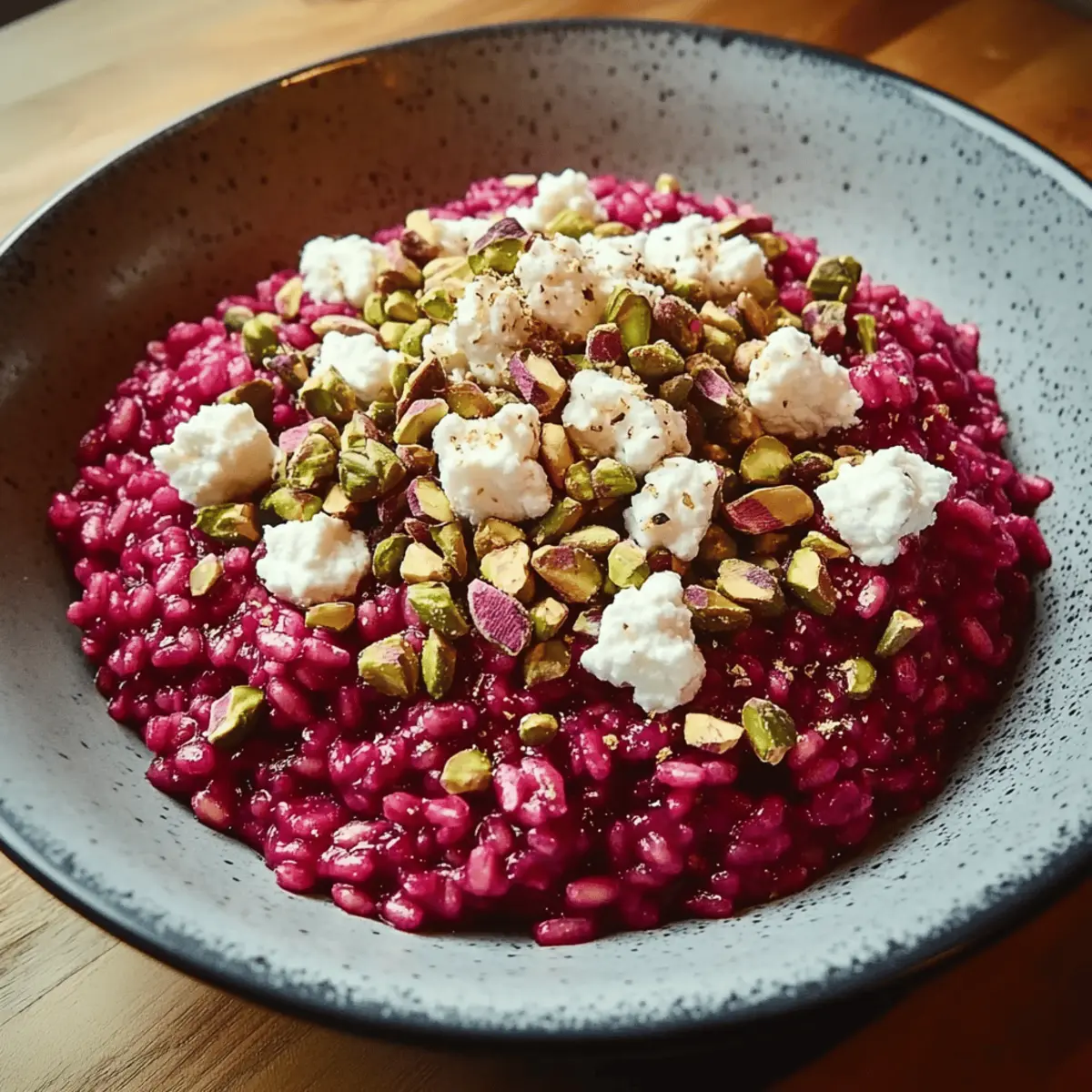
Why is Beet Farro Risotto Unique?
Vibrant Colors: The stunning deep pink hue from roasted beets not only captivates the eyes but also hints at the burst of flavor within.
Comforting Texture: Our creamy risotto melds nutty farro with a luscious beet puree, providing a satisfying mouthfeel that's far from ordinary.
Versatile Ingredients: Substitute farro with quinoa for a gluten-free option or mix in seasonal veggies for a nutrient boost.
Elevated Flavor: The combination of tangy goat cheese and crunchy pistachios offers a flavorful punch that elevates this dish to gourmet status.
Quick & Easy: With simple cooking steps, you can whip up this impressive dish in no time, making it perfect for busy weeknights or special occasions.
Beet Farro Risotto Ingredients
• Get ready to create a dish that's as nourishing as it is delightful!
For the Risotto
- Farro – Provides a nutty flavor and chewy texture as the base; substitute with Arborio rice for a traditional risotto.
- Roasted Beets – Adds earthy sweetness and vibrant color; fresh is recommended, but canned beets can be quickly sautéed for flavor.
- Vegetable Broth – Enhances the flavor throughout the dish; homemade broth gives the best taste.
- White Wine – Adds acidity and depth; omit for a non-alcoholic option or replace with more broth.
- Shallots – Sautéed for base flavor; substitute with regular onion if needed.
- Olive Oil – For sautéing and drizzling, which enhances richness; any neutral oil can work here.
- Salt and Pepper – Essential for seasoning; adjust to your personal taste.
For the Finishing Touches
- Goat Cheese – Contributes a creamy tang; for a dairy-free option, use nutritional yeast or vegan cheese.
- Pistachios – Adds a crunchy texture and nuttiness; can be swapped for walnuts or hazelnuts as desired.
Each of these wonderful ingredients works together to create an unforgettable Beet Farro Risotto with Goat Cheese and Pistachios that’s not only delicious but also visually stunning! Happy cooking!
Step‑by‑Step Instructions for Beet Farro Risotto with Goat Cheese and Pistachios
Step 1: Roast the Beets
Preheat your oven to 400°F (200°C). Toss peeled and chopped beets in a bowl with olive oil and salt until evenly coated. Wrap the beets in foil to retain moisture and place them on a baking sheet. Roast for about 1 hour, or until the beets are fork-tender and have absorbed the flavors.
Step 2: Prepare the Beet Puree
Once the roasted beets have cooled, transfer them to a blender or food processor. Blend until smooth, creating a vibrant beet puree that will add creaminess and color to your Beet Farro Risotto. Set the puree aside and prepare to heat your vegetable broth.
Step 3: Heat the Broth
In a saucepan, heat vegetable broth over low heat, keeping it warm as you prepare the risotto. This step is crucial, as adding cold broth can disrupt the cooking process. Stir occasionally to ensure it stays warm and ready for use as you incorporate it into the farro.
Step 4: Sauté the Shallots
In a large skillet, add a splash of olive oil and heat over medium heat. Once hot, add chopped shallots and sauté for about 4 minutes, stirring frequently, until they soften and become translucent. This will provide a sweet base flavor for your risotto.
Step 5: Toast the Farro
Add the rinsed farro to the skillet with the sautéed shallots, stirring well to coat the grains with olive oil. Toast the farro for approximately 2 minutes, allowing it to absorb the fragrant flavors and slightly toast, which enhances its nutty taste.
Step 6: Incorporate the White Wine
Pour in white wine and allow it to simmer, stirring frequently, for about 5 minutes. The wine should mostly evaporate, leaving behind a rich acidity that complements the farro and contributes depth of flavor to your Beet Farro Risotto.
Step 7: Add Broth Gradually
Begin adding the warm vegetable broth to the farro mixture in ½ cup increments, stirring constantly. Allow each addition to be absorbed completely before adding more. This process will take about 30 minutes, and the goal is to achieve a tender but still chewy texture in the farro.
Step 8: Mix in the Beet Puree
When the farro is fully cooked, stir in the beet puree, mixing well to create a beautiful, creamy consistency in your Beet Farro Risotto. Season with salt and pepper to taste, allowing the earthy sweetness of the beets to shine through.
Step 9: Garnish and Serve
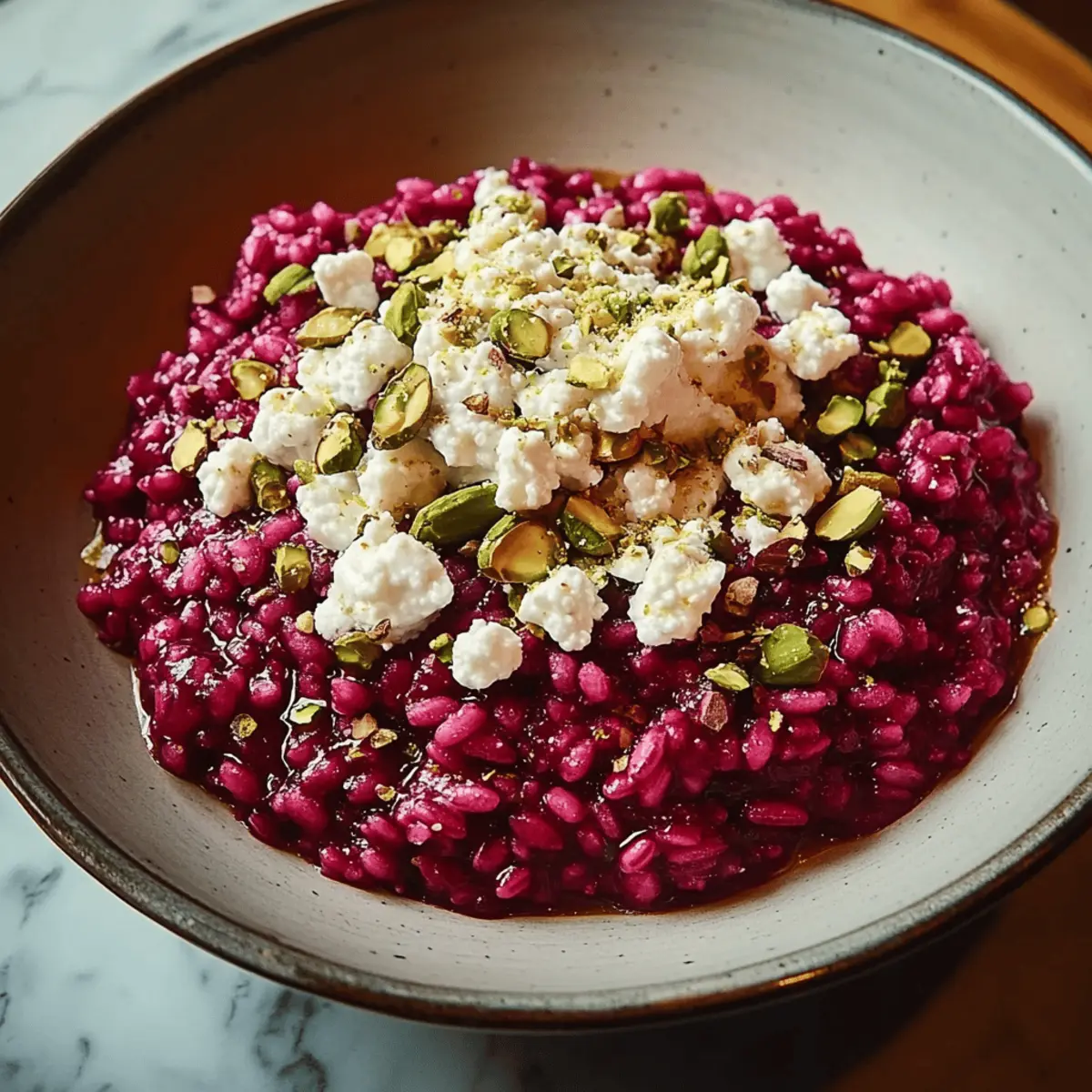
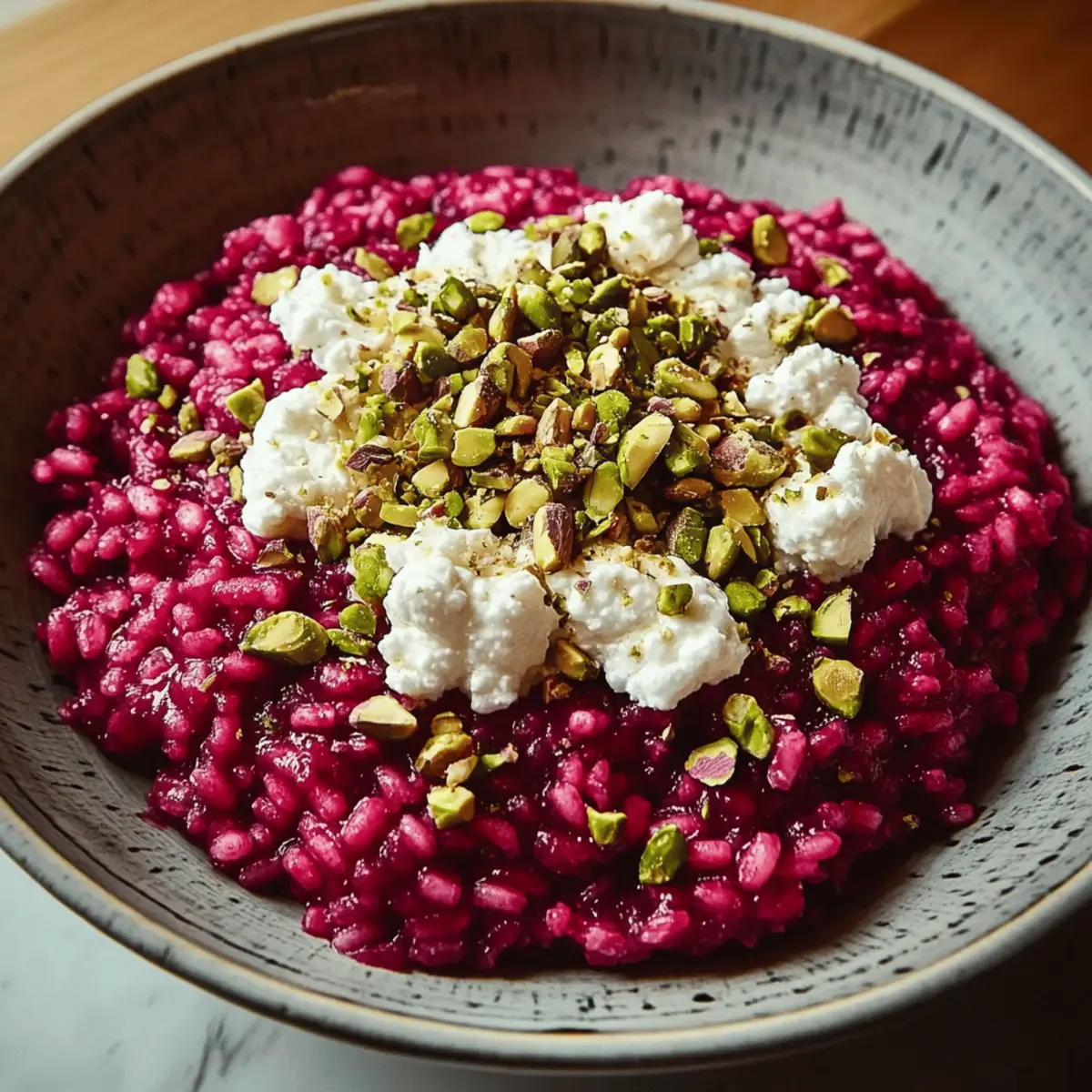
Plate your risotto, ensuring each serving is lusciously creamy. Sprinkle crumbled goat cheese and chopped pistachios generously on top for added flavor and crunch. For an extra touch, drizzle a little olive oil over the dish just before serving to enhance its richness.
How to Store and Freeze Beet Farro Risotto
Fridge: Store leftovers in an airtight container for up to 3 days. Reheat on the stove with a splash of vegetable broth to restore the creamy texture.
Freezer: Flash freeze portions on a baking sheet, then transfer to airtight containers or freezer bags. This keeps the Beet Farro Risotto good for up to 2 months.
Reheating: When ready to enjoy, thaw in the fridge overnight, then reheat gently on the stove, adding more broth if necessary to bring back that luscious creaminess.
Serving Fresh: For the best flavor, enjoy fresh made Beet Farro Risotto with Goat Cheese and Pistachios, but don’t worry—leftovers can still be delightful if stored properly!
Make Ahead Options
These Creamy Beet Farro Risotto with Goat Cheese and Pistachios are perfect for meal prep! You can prepare the roasted beet puree up to 24 hours in advance, storing it in an airtight container in the refrigerator to maintain its vibrant color and flavor. Additionally, the farro can be cooked ahead of time and refrigerated for up to 3 days; simply reheat it with a splash of broth to achieve that creamy texture again. When you’re ready to enjoy this delightful dish, combine the warm farro with the beet puree and finish off with goat cheese and pistachios, ensuring you have a restaurant-quality meal with minimal last-minute effort!
Beet Farro Risotto with Goat Cheese and Pistachios Variations
Feel free to jazz up this risotto recipe to match your taste or dietary needs—let your creativity shine through!
- Gluten-Free: Use quinoa instead of farro to create a delightful gluten-free option, maintaining that hearty comfort.
- Dairy-Free: Swap goat cheese for nutritional yeast or vegan cheese to enjoy this recipe without dairy, keeping it creamy and flavorful.
- Vegetable Boost: Fold in seasonal greens like spinach or kale for extra nutrition and a beautiful pop of color, making each bite more vibrant.
- Nutty Twist: Replace pistachios with toasted walnuts or hazelnuts to bring new layers of flavor and crunch to the dish.
- Zesty Notes: Add a splash of lemon juice or zest before serving to brighten the dish and enhance the sweetness of the beets for a refreshing twist.
- Herbal Infusion: Stir in fresh herbs like thyme or basil into the risotto for an aromatic boost that’s both flavorful and fragrant.
- Heat It Up: Spice things up by adding red pepper flakes or a dash of hot sauce for those who love a little kick in their comfort food.
- Rich and Creamy: For an ultra-luxurious experience, incorporate a splash of cream towards the end of cooking, adding a velvety richness to each bite.
These variations not only enhance the dish but also ensure your Beet Farro Risotto with Goat Cheese and Pistachios stays exciting every time you make it. Don’t hesitate to explore!
What to Serve with Beet Farro Risotto with Goat Cheese and Pistachios
This delightful risotto creates the perfect centerpiece for a well-rounded meal, inviting your taste buds to explore new flavors and textures.
-
Crisp Green Salad: A light salad with arugula, lemon vinaigrette, and shaved Parmesan adds freshness that balances out the richness of the risotto.
-
Roasted Brussels Sprouts: The caramelized edges of Brussels sprouts enhance the earthy notes of beets, creating a harmonious side that complements your dish beautifully.
-
Sautéed Garlic Spinach: Quickly cooked spinach with garlic offers a bright, vibrant green that not only looks gorgeous on the plate but also uplifts the flavors of the risotto.
-
Grilled Chicken Thighs: For an added protein boost, tender grilled chicken thighs lend a smoky flavor that pairs impressively with the creaminess of the risotto.
-
Lemon Herb Quinoa: A fluffy quinoa side, infused with lemon and fresh herbs, provides a refreshing contrast to the savory richness of the Beet Farro Risotto.
-
Savory Mushroom Medley: Sautéed mushrooms add an umami punch and depth of flavor, blending beautifully with the nutty farro and sweet beets.
-
Crisp White Wine: A glass of chilled Sauvignon Blanc or Pinot Grigio cleanses the palate and enhances the tangy goat cheese, making each bite more enjoyable.
Each of these suggestions elevates your Beet Farro Risotto with Goat Cheese and Pistachios into a memorable dining experience. Happy cooking!
Expert Tips for Beet Farro Risotto
• Choose Quality Ingredients: Fresh roasted beets and homemade vegetable broth significantly enhance the flavors, making your Beet Farro Risotto truly special.
• Cook Farro Perfectly: Farro should be tender yet al dente. Stir frequently and add broth slowly to achieve that ideal creamy texture without overcooking.
• Maximize Flavor Depth: For a richer taste, use a good quality white wine or a splash of apple cider vinegar if omitting wine altogether.
• Customization is Key: Feel free to swap farro with quinoa for a gluten-free version or add seasonal veggies like spinach for extra nutrition in your risotto.
• Storage Tips: Store any leftovers in an airtight container for up to three days, adding a splash of broth when reheating to maintain creaminess.
• Garnish Creatively: Don’t hold back on the toppings! Crumbled goat cheese and pistachios elevate the dish, but feel free to add fresh herbs for extra flavor and color.
Beet Farro Risotto with Goat Cheese and Pistachios Recipe FAQs
How do I choose ripe ingredients for my Beet Farro Risotto?
Absolutely! For the best flavor, go for firm and vibrant fresh beets without any dark spots or soft areas. When selecting farro, look for whole grains that are clean and free from moisture. If you’re using goat cheese, ensure it’s creamy and not overly crumbly, indicating freshness.
How should I store leftovers of Beet Farro Risotto?
Storage is easy! Place your Beet Farro Risotto in an airtight container, and it will stay fresh in the refrigerator for up to 3 days. When reheating, add a splash of vegetable broth to maintain its creamy texture and heat it gently on the stove.
Can I freeze Beet Farro Risotto, and if so, how?
Yes, you can! To freeze, spread portions on a baking sheet and flash freeze them until solid. Then transfer the frozen risotto to airtight containers or freezer bags. It can be stored for up to 2 months. When ready to enjoy, thaw it overnight in the fridge and reheat on the stove, adding broth as needed for creaminess.
What if my farro turns mushy during cooking?
Very! To avoid mushy risotto, stir frequently and add the broth slowly. If you notice the farro becoming too soft while cooking, reduce the heat slightly and continue to stir, ensuring each addition of broth is fully absorbed before adding more. Aim for a tender yet chewy texture.
Are there any dietary considerations for this recipe?
Definitely! This Beet Farro Risotto is vegetarian-friendly and can easily be made gluten-free by substituting farro with quinoa. For those with dairy allergies, consider using nutritional yeast or a dairy-free cheese alternative to replace the goat cheese. Always check ingredient labels for any potential allergens.
What should I do if I want to enhance the flavors of my risotto?
I often recommend using a good quality white wine for depth of flavor. If you'd like to skip the wine, try adding a splash of apple cider vinegar or a squeeze of lemon juice during cooking to brighten up the dish. Don’t hesitate to mix in fresh herbs or seasonal vegetables for extra layers of flavor!
Indulgent Beet Farro Risotto with Goat Cheese and Pistachios
Ingredients
Equipment
Method
- Preheat your oven to 400°F (200°C). Toss peeled and chopped beets in a bowl with olive oil and salt until evenly coated. Wrap the beets in foil to retain moisture and place them on a baking sheet. Roast for about 1 hour, or until the beets are fork-tender and have absorbed the flavors.
- Once the roasted beets have cooled, transfer them to a blender or food processor. Blend until smooth, creating a vibrant beet puree that will add creaminess and color to your Beet Farro Risotto. Set the puree aside and prepare to heat your vegetable broth.
- In a saucepan, heat vegetable broth over low heat, keeping it warm as you prepare the risotto. Stir occasionally to ensure it stays warm.
- In a large skillet, add a splash of olive oil and heat over medium heat. Once hot, add chopped shallots and sauté for about 4 minutes, until translucent.
- Add the rinsed farro to the skillet with the sautéed shallots. Toast the farro for approximately 2 minutes, allowing it to absorb the flavors.
- Pour in white wine and simmer for about 5 minutes, stirring frequently.
- Begin adding the warm vegetable broth to the farro mixture in ½ cup increments, stirring constantly. Allow each addition to be absorbed before adding more. This will take about 30 minutes.
- When the farro is fully cooked, stir in the beet puree, mixing well.
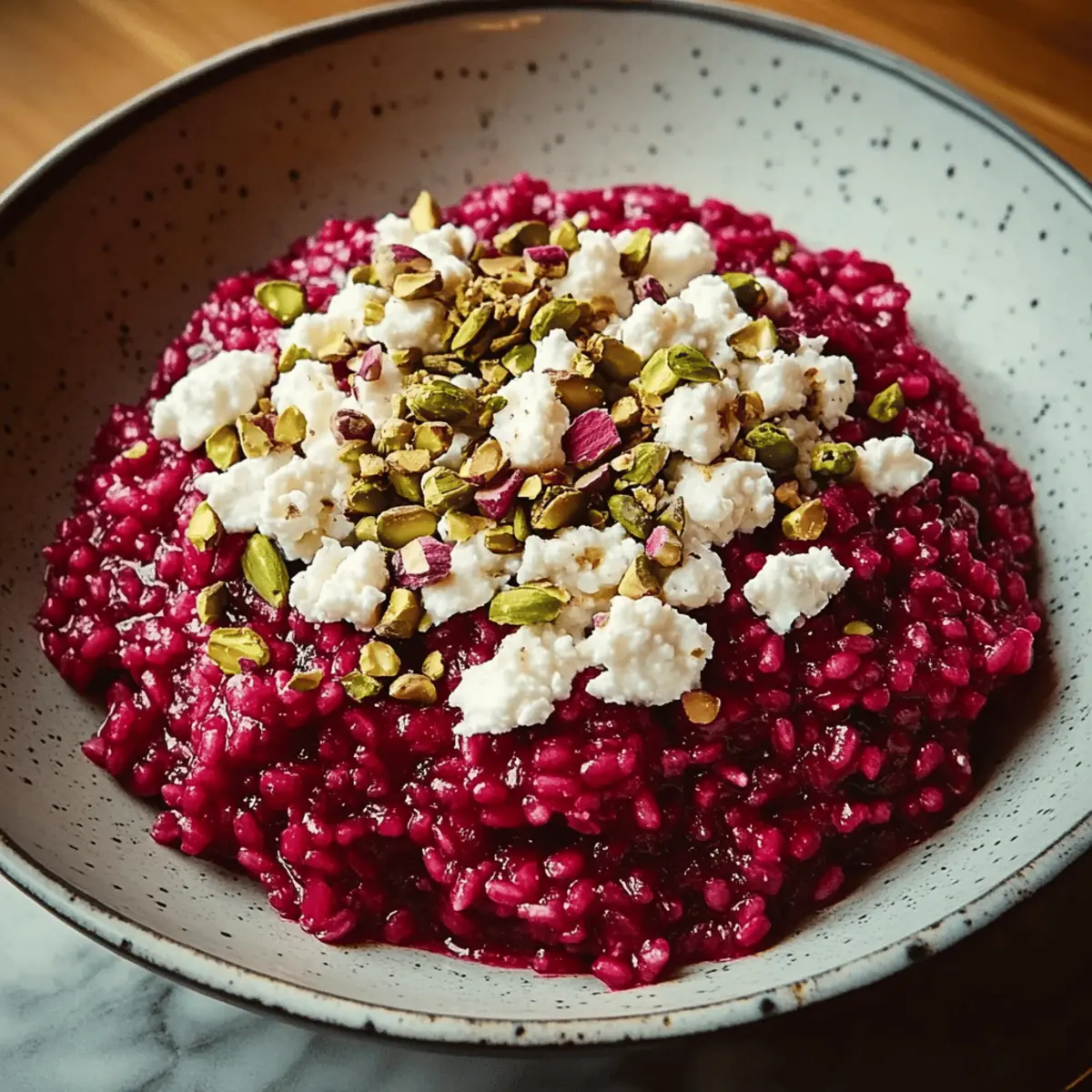
- Plate your risotto and sprinkle crumbled goat cheese and chopped pistachios generously on top.




Leave a Reply