
As I stood in my kitchen, the gentle hum of the mixer filled the air, transporting me back to my childhood—watching my grandmother whip up her famous cheesecakes. This Cottage Cheese Cheesecake is my modern take on that family tradition, offering the same dreamy texture but with a light and fluffy twist. Packed with creamy cottage cheese, this dessert not only satisfies your sweet tooth but also serves as a guilt-free indulgence, making it perfect for any gathering or a quiet night in. Plus, it’s incredibly adaptable for various diets, whether you're gluten-free or looking for a lower-calorie treat. Ready to transform dessert time? Let’s dive into this delightful recipe that’s sure to impress your taste buds and those you share it with! What’s your favorite cheesecake memory?
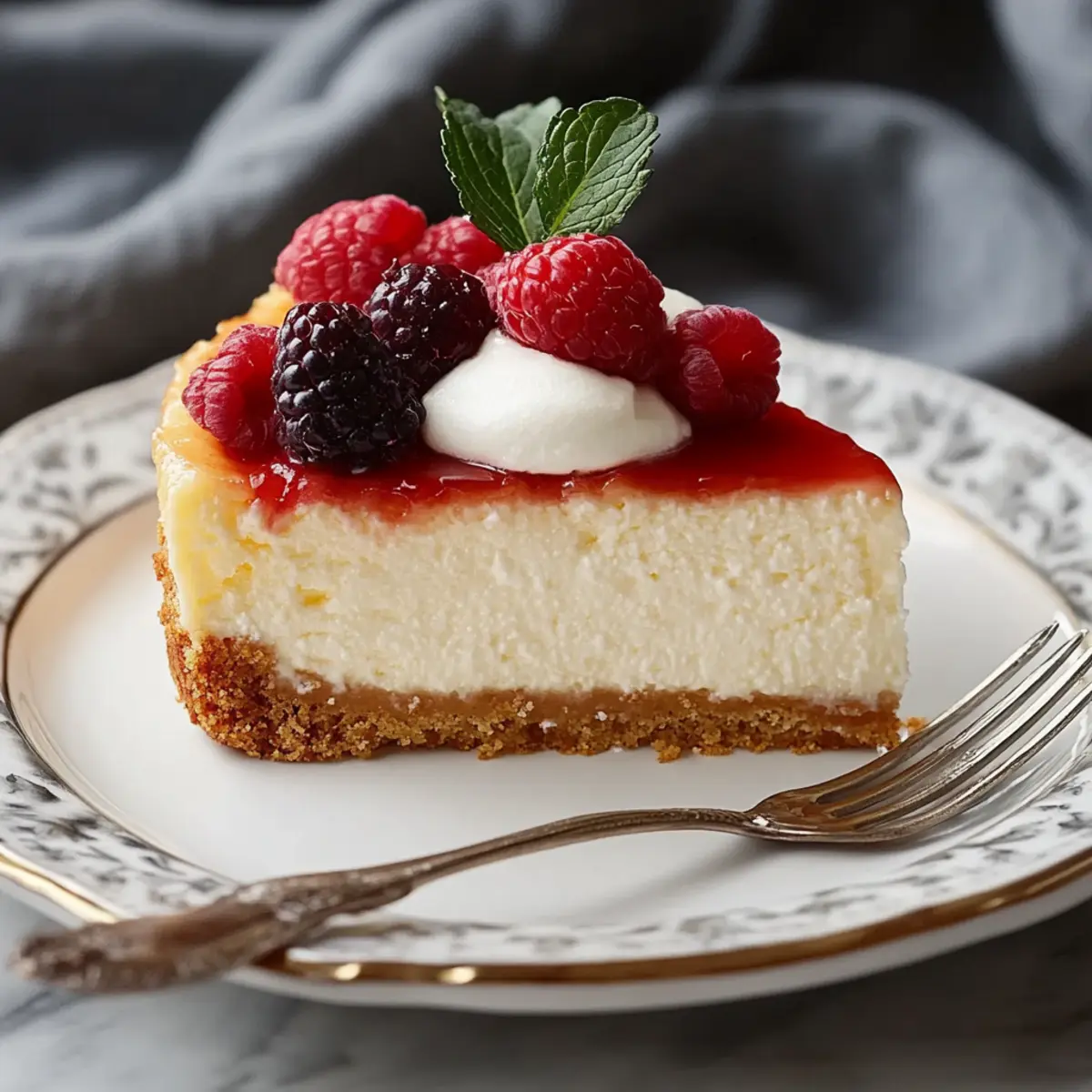
Why is Cottage Cheese Cheesecake Unique?
Light, Fluffy Texture: Unlike traditional cheesecakes, this version's airy consistency makes each bite feel indulgent without being heavy.
Guilt-Free Indulgence: Enjoy a delectable dessert that’s potentially low-calorie, satisfying your sweet cravings while keeping it wholesome.
Customizable Options: Easily adapt this recipe for gluten-free or dairy-free diets by using simple substitutions like plant-based ricotta or almond flour.
Family-Friendly Delight: Whether for gatherings or a cozy evening, this cottage cheese cheesecake captivates all ages, turning any dessert table into a favorite spot.
Simple Preparation: With easy-to-follow steps, even novice cooks can achieve a stunning result that looks and tastes gourmet. Experience the cheerful side of baking with this delightful twist on a classic!
Cottage Cheese Cheesecake Ingredients
For the Crust
• Graham Cracker Crumbs – Create the perfect sweet base; for gluten-free, use alternative crumbs.
• Granulated Sugar – Sweetens the crust for a delicious crunch; can be replaced with coconut sugar for a caramel flavor.
• Unsalted Butter – Binds the crumbs together; melted butter enhances taste and texture.
For the Filling
• Cottage Cheese – The star of the dessert, providing a light texture; opt for creamy cottage cheese for best results.
• Cream Cheese – Adds richness and creaminess; low-fat cream cheese can be used for a lighter option.
• Granulated Sugar – Sweetens the filling; consider switching to honey or maple syrup for a natural touch.
• Eggs – Provides structure; for a vegan version, substitute with flaxseed meal.
• Sour Cream – Brings a tangy flavor; Greek yogurt can stand in for a lighter taste.
• Vanilla Extract – Adds depth to the filling's flavor profile; consider almond extract for a unique twist.
Optional Toppings
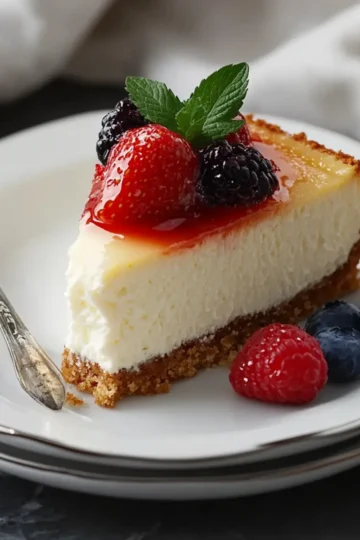
• Strawberry Jam or Compote – Use for a fruity finish; homemade versions can elevate the dish.
• Fresh Berries – Sprinkled on top for color and flavor; blueberries or raspberries make excellent choices.
• Mint Leaves – Adds a fresh touch for presentation; use for vibrant color contrast.
This Cottage Cheese Cheesecake is not just a treat, but an unforgettable experience that will linger in your memories long after the last bite!
Step‑by‑Step Instructions for Cottage Cheese Cheesecake
Step 1: Prep the Crust
Preheat your oven to 350°F (175°C). In a medium bowl, combine graham cracker crumbs, granulated sugar, and melted butter, mixing until the texture resembles wet sand. Press this mixture firmly into the bottom of a 9-inch springform pan to form an even layer. Bake the crust for 8-10 minutes until it turns golden brown, then let it cool completely before adding the filling.
Step 2: Make the Filling
Using a food processor, puree the cottage cheese until it reaches a smooth consistency, eliminating any lumps. In a large mixing bowl, beat cream cheese and sugar together until fluffy and well combined. Slowly add in the pureed cottage cheese, mixing thoroughly. Incorporate eggs one at a time, blending well after each addition. Finally, mix in the vanilla extract along with sour cream or heavy cream until the filling is silky smooth.
Step 3: Combine Crust and Filling
Pour the creamy filling over the cooled crust, using a spatula to smooth out the top for an even layer. Lower the oven temperature to 325°F (160°C) before sliding the Cheesecake into the oven. Bake for 50-60 minutes until the edges are set and the center has a gentle jiggle, indicating a perfectly fluffy Cottage Cheese Cheesecake.
Step 4: Cool Gradually
Once baked, turn off the oven and leave the cheesecake inside for an hour with the door ajar. This gradual cooling prevents cracks from forming on the surface. After an hour, transfer the cheesecake to room temperature, then pop it into the refrigerator to chill for at least 4 hours, though overnight is ideal for the best texture.
Step 5: Serve
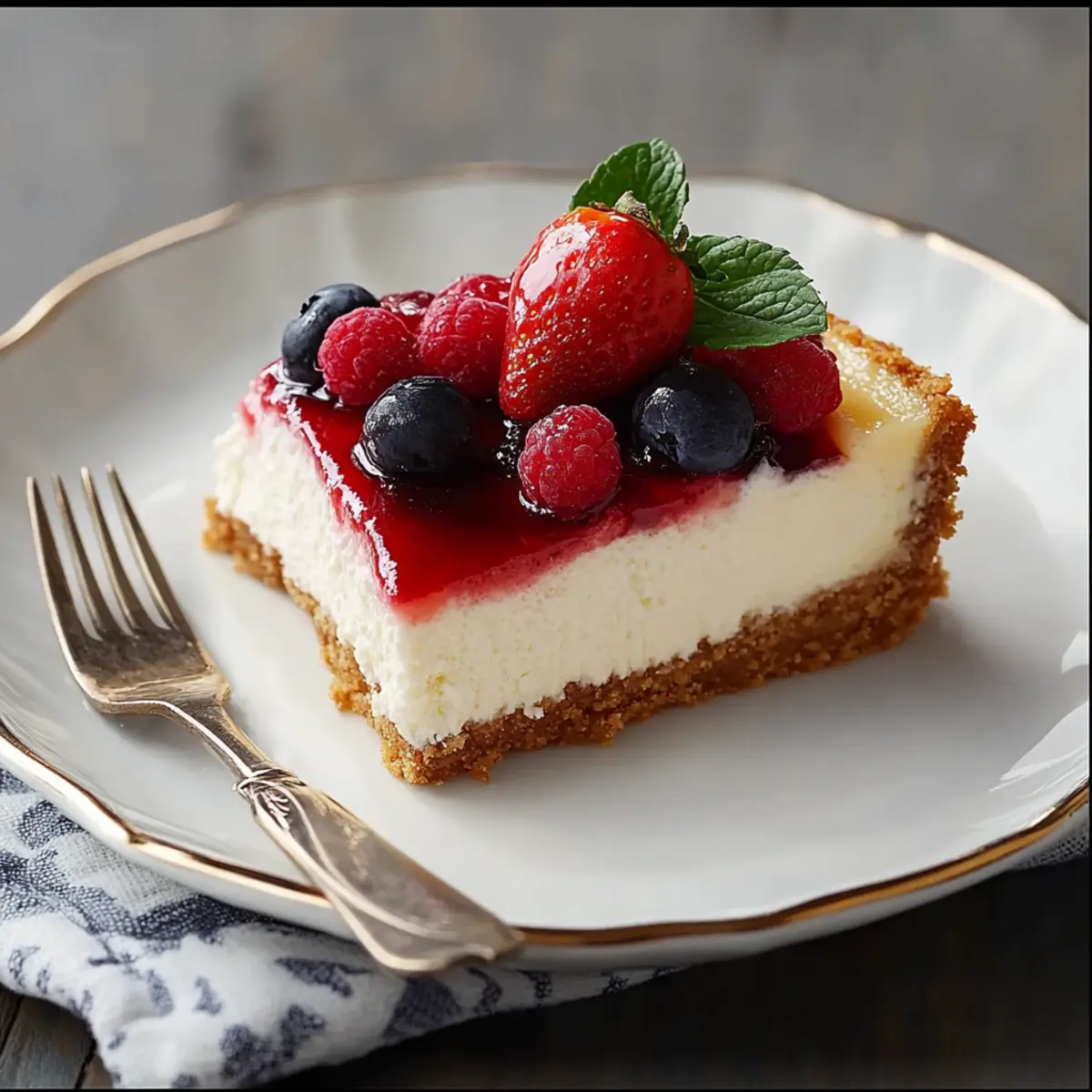
Once fully chilled, carefully remove the cheesecake from the springform pan and place it on a serving platter. Top it with strawberry jam or compote, and scatter fresh berries and mint leaves for a delightful presentation. Cut into slices and serve chilled to enjoy a refreshing take on Cottage Cheese Cheesecake that everyone will love!
Make Ahead Options
These Cottage Cheese Cheesecakes are perfect for meal prep enthusiasts looking to save time! You can prepare the crust and filling up to 24 hours in advance. Simply follow the steps to make the crust and bake it, then store it tightly wrapped in plastic wrap at room temperature. For the filling, complete the mixing process and refrigerate in an airtight container. When you're ready to assemble, pour the filling over the crust, bake, and cool as instructed. This way, you’ll enjoy all the delicious flavors of this cottage cheese cheesecake without the last-minute rush, providing a delightful dessert with just a bit of finishing effort!
Cottage Cheese Cheesecake Variations
Feel free to experiment and make this Cottage Cheese Cheesecake your own with these fun and easy variations!
-
Dairy-Free: Substitute cottage cheese with plant-based ricotta or vegan cream cheese for a completely dairy-free dessert. It still delivers lovely texture and taste!
-
Gluten-Free: Use gluten-free graham cracker crumbs or almond flour mixed with melted butter for a delicious, crumbly crust everyone can enjoy.
-
Flavor Boost: Add 1-2 tablespoons of lemon zest for a refreshing citrus zing. It brightens the flavor and pairs perfectly with berries!
-
Chocolate Delight: Mix in ½ cup of chocolate chips to the filling for a rich, indulgent twist that chocolate lovers won't resist.
-
Egg-Free: Replace eggs with flaxseed meal (1 tablespoon flaxseed mixed with 3 tablespoons water per egg). This keeps the cheesecake fluffy while making it vegan-friendly.
-
Natural Sweeteners: Swap out granulated sugar for maple syrup or honey to lend a more wholesome sweetness without sacrificing flavor.
-
Add Spices: Sprinkle cinnamon or nutmeg into the filling for a warm, aromatic touch that enhances the overall taste profile.
-
Topping Variations: Instead of strawberry jam, try topping your cheesecake with cooked down berries or a chocolate ganache for an elegant finish that’s sure to impress.
These variations can rekindle old memories or create new ones, just like my cherished moments spent in the kitchen! Whether you wish to craft something classic or take a daring twist, each adaptation is designed to bring joy to your table.
Storage Tips for Cottage Cheese Cheesecake
Fridge: Store leftovers in an airtight container for up to 5 days, preserving the cheesecake's light and fluffy texture.
Freezer: For longer storage, freeze slices wrapped tightly in plastic wrap and then in foil for up to 2 months; they’ll maintain flavor and texture.
Thawing: To enjoy frozen cheesecake, refrigerate overnight before serving for best results; this allows it to retain its creamy consistency.
Reheating: While not typically necessary for cheesecake, if desired, let it sit at room temperature for about 30 minutes before serving to regain its perfect fluffiness.
Expert Tips for Cottage Cheese Cheesecake
-
Smooth Cottage Cheese: Ensure you puree the cottage cheese until completely smooth. This prevents any graininess in your final cheesecake.
-
Crack-Free Baking: To avoid cracks, cool the cheesecake gradually in the oven with the door ajar after baking. This helps stabilize the dessert's temperature.
-
Egg Substitutes: If you're making an egg-free version, flaxseed meal works wonders as a substitute, ensuring the cheesecake retains its fluffy texture.
-
Adjust Sweetness: Experiment with natural sweeteners like honey or maple syrup for a different flavor twist, but remember they may alter the texture slightly.
-
Chill for Best Results: Allow the cheesecake to chill overnight for the best flavor and texture. It will improve as it sits, blending the flavors beautifully.
What to Serve with Cottage Cheese Cheesecake
Imagine the soft sound of laughter and the sweet aroma of dessert wafting through the air as you prepare for a delightful gathering with friends or family.
-
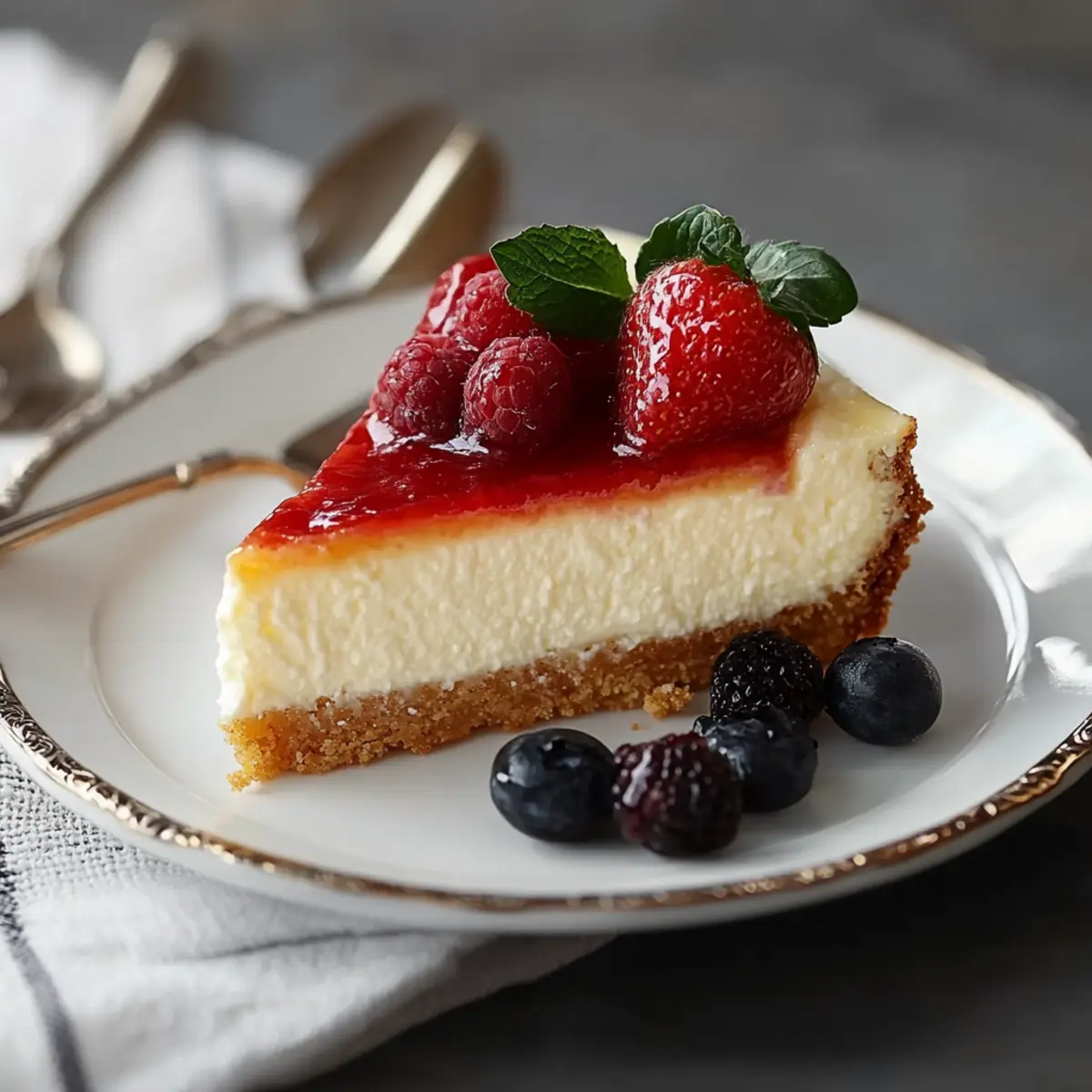
Fresh Berries: The sweetness of strawberries, blueberries, or raspberries enhances the cheesecake’s flavor and adds vibrant color to your plate.
-
Light Whipped Cream: Fluffy and airy, a dollop of whipped cream complements the cheesecake’s texture while providing a rich, creamy contrast.
-
Mint Leaves: A sprinkle of fresh mint leaves not only elevates the presentation but also adds a refreshing burst of flavor that balances the sweetness.
-
Chocolate Drizzle: A light drizzle of chocolate sauce adds indulgence and decadence, perfect for chocolate lovers who enjoy a richer dessert experience.
-
Sweet Tea or Lemonade: Refreshing drinks like sweet tea or homemade lemonade provide a lovely contrast to the creamy cheesecake, making every bite feel bright and lively.
-
Coffee or Espresso: The smooth bitterness of coffee beautifully counteracts the sweetness of the cheesecake, creating a perfect pairing for an after-dinner treat.
-
Almond Biscotti: The crunchy texture of biscotti adds a delightful contrast, perfect for dipping or enjoying alongside a slice of cheesecake for added enjoyment.
-
Fruit Compote: A homemade berry or peach compote amplifies fruit flavors, providing a tangy richness that pairs well with the lightness of the cheesecake.
Cottage Cheese Cheesecake Recipe FAQs
What type of cottage cheese should I use for this cheesecake?
I recommend using creamy, smooth cottage cheese for the best texture. Avoid using low-fat versions that may be grainy. If you're dairy-sensitive, plant-based ricotta or vegan cream cheese can provide an excellent substitute while maintaining a fluffy texture.
How should I store leftover cottage cheese cheesecake?
Store leftovers in an airtight container in the refrigerator for up to 5 days. This keeps the cheesecake fresh and prevents it from drying out. For longer preservation, you can freeze it wrapped tightly in plastic wrap and then foil for up to 2 months.
Can I freeze cottage cheese cheesecake? If so, how?
Absolutely! To freeze, first, allow the cheesecake to cool completely. Then wrap it tightly in plastic wrap, followed by aluminum foil to prevent freezer burn. When ready to enjoy, transfer it to the refrigerator for overnight thawing. This method helps maintain its creamy texture.
What can I do if my cheesecake cracks during baking?
If your cheesecake cracks, it’s usually due to rapid temperature changes or overbaking. To prevent this, cool the cheesecake gradually in the oven with the door ajar after baking. If cracks still occur, don’t worry! A dollop of whipped cream or a fruit topping can easily hide them, making it look just as beautiful.
Are there any dietary considerations with this recipe?
This cottage cheese cheesecake is quite adaptable. For gluten-free versions, substitute graham cracker crumbs with gluten-free alternatives. If you want a diary-free option, consider using plant-based alternatives for cottage cheese and cream cheese. Just be aware that these substitutions may adjust the flavor and texture slightly.
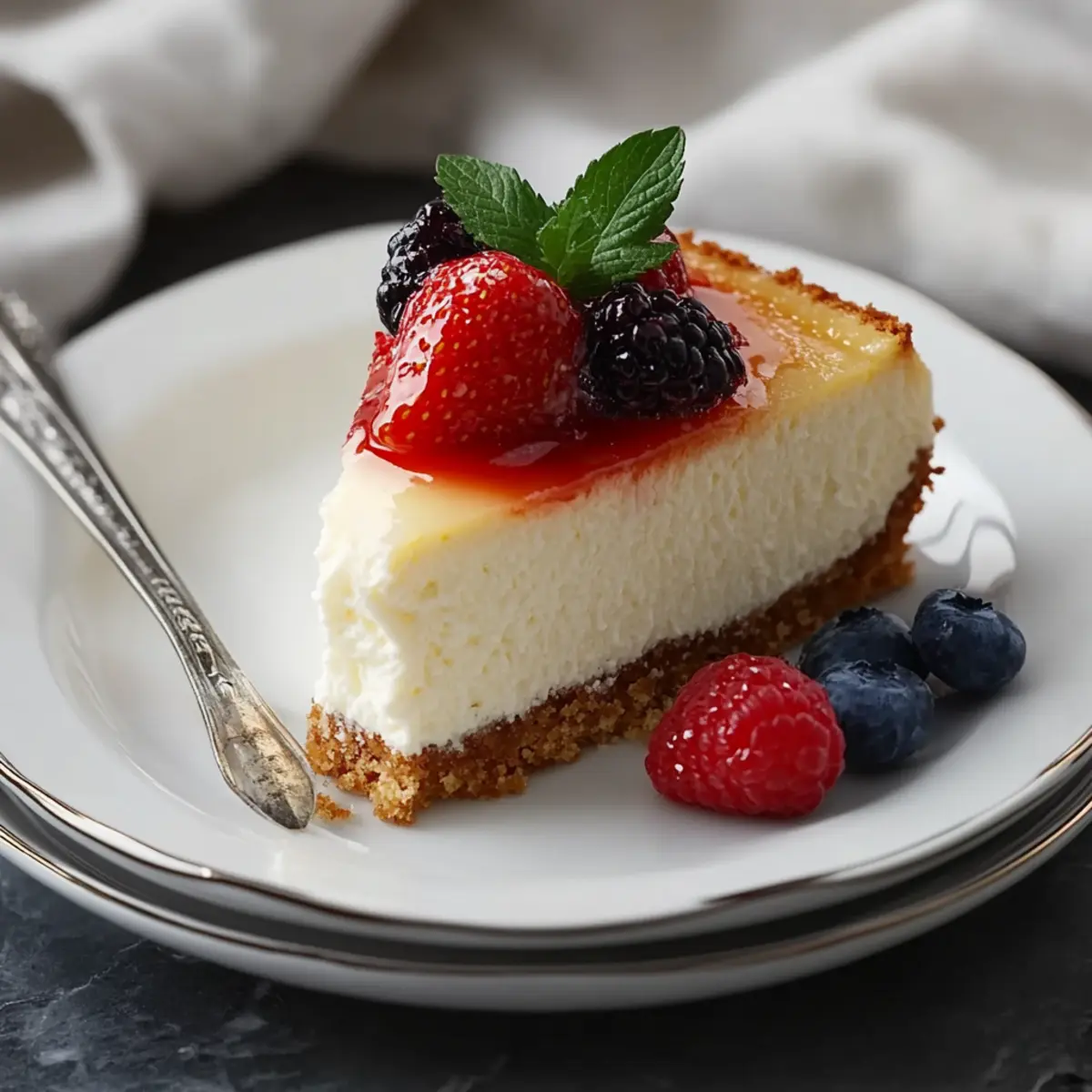
Indulgent Cottage Cheese Cheesecake That’s Light as Air
Ingredients
Equipment
Method
- Preheat your oven to 350°F (175°C). In a medium bowl, combine graham cracker crumbs, granulated sugar, and melted butter, mixing until the texture resembles wet sand. Press this mixture firmly into the bottom of a 9-inch springform pan to form an even layer. Bake the crust for 8-10 minutes until it turns golden brown, then let it cool completely before adding the filling.
- Using a food processor, puree the cottage cheese until it reaches a smooth consistency, eliminating any lumps. In a large mixing bowl, beat cream cheese and sugar together until fluffy and well combined. Slowly add in the pureed cottage cheese, mixing thoroughly. Incorporate eggs one at a time, blending well after each addition. Finally, mix in the vanilla extract along with sour cream until the filling is silky smooth.
- Pour the creamy filling over the cooled crust, using a spatula to smooth out the top for an even layer. Lower the oven temperature to 325°F (160°C) before sliding the cheesecake into the oven. Bake for 50-60 minutes until the edges are set and the center has a gentle jiggle, indicating a perfectly fluffy cottage cheese cheesecake.
- Once baked, turn off the oven and leave the cheesecake inside for an hour with the door ajar. This gradual cooling prevents cracks from forming on the surface. After an hour, transfer the cheesecake to room temperature, then pop it into the refrigerator to chill for at least 4 hours, though overnight is ideal for the best texture.
- Once fully chilled, carefully remove the cheesecake from the springform pan and place it on a serving platter. Top it with strawberry jam or compote, and scatter fresh berries and mint leaves for a delightful presentation. Cut into slices and serve chilled.



Leave a Reply